Successful Use of Social Media a Catalyst for Warby Parker
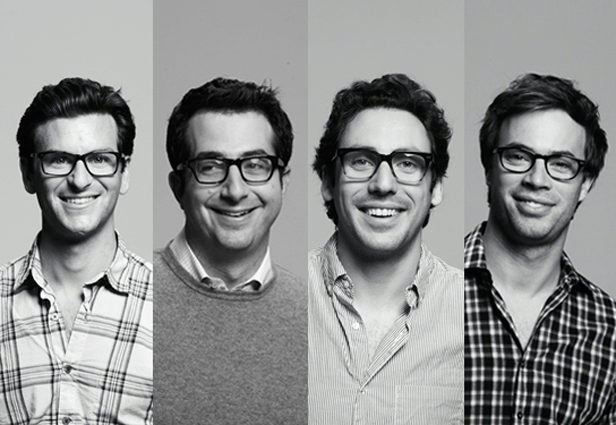
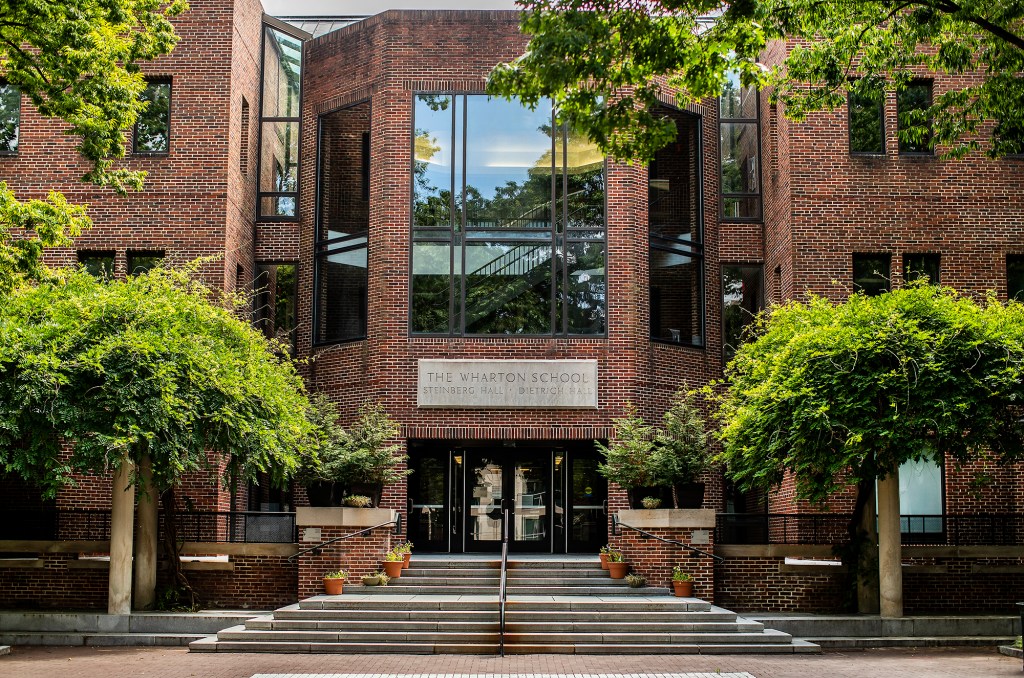
In 2010, Warby Parker, was launched by four students attending the Wharton School of the University of Pennsylvania. Neil Blumenthal, Andrew Hunt, David Gilboa, and Jeffery Raider centered their business idea primarily on online distribution. A key element of a Direct-to-Consumer business model.
Direct-to-Consumer
Warby Parker’s Direct-to-Consumer business model provides an affordable and customizable approach to selling prescription eyeglasses and sunglasses. This approach circumvents the use of wholesalers, distributors, and third-party sellers.
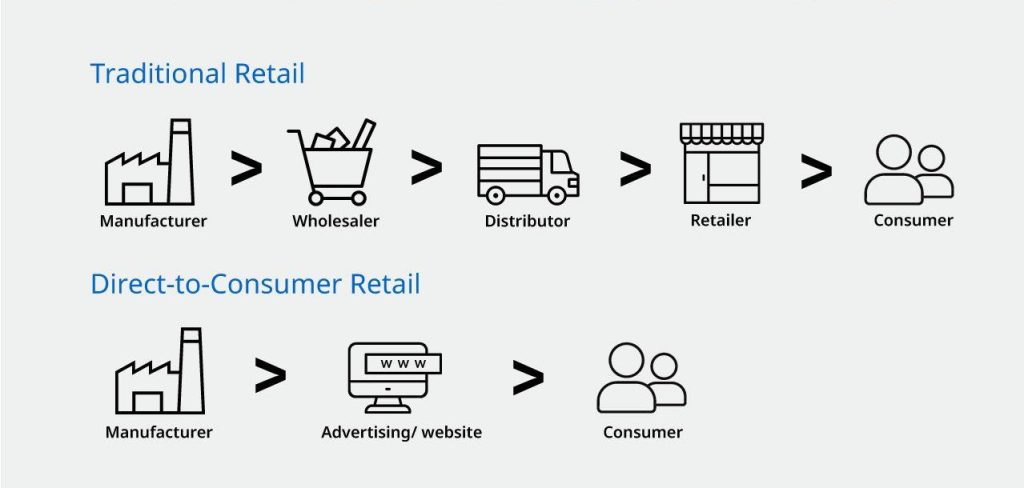
How does Warby Parker carry out the Direct-to-Consumer approach?
Warby Parker connects directly with consumers through the use of social media platforms. Social media platforms such as Instagram, TikTok, and Facebook. With the use of these social media platforms, Warby Parker is capable of reaching millions of young professionals in need of prescription eyeglasses and sunglasses. Millions of young professionals that do not yet have large budgets to put towards prescription eyeglasses and sunglasses. These young professionals are consumers that are in a position to share experiences through photos, videos, likes, comments, and tags. An effort to promote transactional communication.
What is Transactional Communication?
Transactional communication is a form of two-way communication for ongoing and simultaneous communication between a seller and a consumer. Through transactional communication, Warby Parker is able to consistently communicate with consumers. Some examples of communicating with consumers include responding to a consumer’s comment, liking a consumer’s post, or reposting a consumer’s post.
Warby Parker allows consumers to be active participants of the company. Answering questions and replying to consumers making consumers feel like their voices matter.
Warby Parker Provides:
- Authenticity
- Consistency
- Flexibility
- Rapid Feedback
- Real Time Communication
What if Warby Parker Relied on Traditional Media?
In 2010, traditional media included television, radio, and print advertisements. If Warby Parker began with a traditional business model, the cost of starting a business would have significantly skyrocketed. If these four students didn’t have money for prescription eyeglasses or sunglasses, there was no advertisement budget for traditional media. An advertisement through traditional media, requires a significant budget versus the downloading of multiple free social media apps.
How many of you prefer downloading a social media app for free over paying a significant price?
Especially when downloading a social media app allows your business to reach millions globally.
With only traditional media, customer feedback in comparison to social media would significantly decrease. Customer feedback with traditional media includes local conversation, word of mouth, and limited exposure. With social media, Warby Parker’s success is dependent of the global promotion of its eyeglasses and sunglasses products.
Home Try-On Program
Through Warby Parker’s Home Try-On Program, consumers get to try on five pairs of glasses and choose their favorite pair. In social media apps, consumers are able to share photos, videos, or comments and receive feedback on prescription eyeglasses and sunglasses. This is a great example of user-generated content. Consumers are providing brand visibility for Warby Parker without Warby Parker running a specific brand visibility campaign. User-generated content for Warby Parker helps to build brand visibility along with brand trust. Seeing fellow consumers happy with their experience with Warby Parker, helps to reassure other consumers that buying online is safe.
 klloyd.blog
Leave a comment